Wednesday, September 16, 2026

September 4th 2007


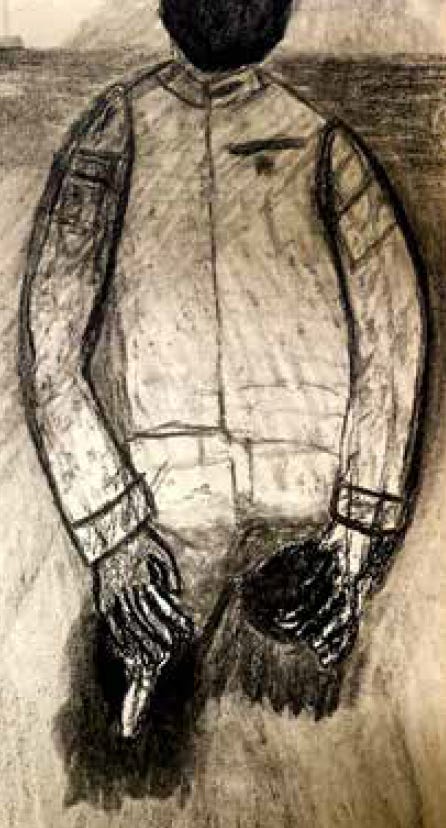
Artwork by Tristan Ruark.

BOOM!

“Holy shit, what the fuck was that?”

The truck ahead of me stopped at a bend in the road. The way ahead of me was obscured by palm trees that reached 60 feet into the sky.

“Did you hear that explosion?” the gunner called down to me.

“Ya. Was it close?”

Huge, just up the road can’t see shit around this corner, though.”

I keyed the hand mic, “Sit-rep?”

The platoon sergeant came over the net.

“2–1 give me an assessment.”

………………

……..

“2–4”

……..

………………

Hey, give me a no-bullshit assessment of what’s going on.”

I saw thick black smoke pouring above the palms now.

The silence was eternal.

No communication. Something was wrong.

No movement.

We need to fucking go.

told my team leaders, sitting in the back of the Humvee, that we would dismount and run up on the left side of the truck to hopefully shield us from follow-on improvised explosive devices.

No hesitation.

These lions jumped up and lined up behind me, and my driver covered our flank as we took off running up the road.

I was trying to scan the ground in front of me as I sprinted. But I was fixated on the smoke.

I knew what it could be. I knew what it was.

No, no, no, no, no.

We rounded the corner and saw a humvee wrapped in a bright halo of flames with thick black smoke billowing into the sky.

Scan your sector and watch for follow-on IEDs. Stay focused, stay sharp.

Is that a leg?

leg in the road. Not the whole leg. The foot, five toes, shin, calf muscle, no knee. It’s tan. The snapped off tibia and fibula jut out at the top.

Who’s foot is that?

Is it our guy’s leg? Is it someone else? It’s pretty tan. Maybe it was a civilian. It can’t be one of our guy’s. How could it be way back here? It would have a boot on it if it was one of our guys. Should I grab it? I should stop and grab it and put it in my cargo pocket.

I should go back and grab it.

No.

Keep running.

SNAP!

SNAP! SNAP! SNAP!

Sparks flew up from the road in front of me. We were only 50 meters from the truck.

Oh shit.

SNAP SNAP SNAP SNAP SNAP SNAP SNAP SNAP SNAP…

Ammunition inside the truck was cooking off. I could hear the tiny projectiles penetrating the sound barrier all around me.

I told my driver to stop and pull away from the downed vehicle at a 45-degree angle.

“Ammunition is cooking off; we need to get those guys out.”

Once again, the two eighteen-year-olds fell in line behind me and ran into the lethal inferno.

One of our soldiers was sitting up against the truck’s driver’s side. SSG Ume who had been driving behind 2–1 had been the first person to get to the truck and pulled the soldier out of the truck then ran to the other side to try and extract the others. My team leaders began working on getting the driver out.

The heat was intense. The sound of the flames died down to a low, distant roar and stood still in time and space. My vision narrowed.

Who was this guy? Who was in this truck?

I looked into the truck. I saw the silhouette of a body turned towards the door, completely submerged in the fire. His helmet is black. He looked like he was trying to get out. There was no way.

The 20-inch explosively formed penetrator had gone directly into and through him.

Screaming.

I looked into the back and saw soldiers penetrating the wall of fire trying to get the guy in the back out. He was screaming. He was alive and on fire.

He was screaming for his mother — or was he?

A voice at my feet brought me back.

“I’m, fucked up, sarge.”

“What?”

“I’m fucked.”

I looked down. I felt like I was inside a bubble shielded from the chaos around me.

“No, you’re good.” I lied.

My mind was having trouble computing what it was seeing. A young soldier. What used to be a young soldier. He was now a piece of a soldier. His skin tone grey and waxy. One leg missing at the hip, the other below the knee. The splintered bone gleamed white through the blood, heat, and smoke. Shredded human flesh resting on the ground.

I read the name tape on his body armor.

Shelton.

“I’m fucked. I’m fucked.”

“You’re good, little brother. We’re gonna get you outta here.”

Shelton had recently had a birthday and was scheduled to go on rest and relaxation in a week. He had made plans to take his father to a Bears game back in Chicago. He had recently enrolled in online classes to study business while we were deployed.

He was the platoon’s mayor. The life of the party. The guy everyone wanted to hang out with.

“Is my dick still there?”

“Ya buddy. All good. Everything looks good.”

I lied again.

“Let’s get you the fuck home, man, ok?”

I had to get him away from the fire, from the bullets. Somewhere to stop his pain and save his life. I grabbed his drag strap on the back of his body armor and pulled him the never-ending 25 meters to the safe side of my truck.

I grabbed hard. There was no weight to him. I watched as the ivory-white bone dragged along the abysmal asphalt.

“I’m sorry. I’m so sorry, buddy. You’re gonna make it. Hold on, we’re almost there.”

I looked as his intestines started to leave his abdomen and drag on the ground. The shredded flesh of his leg followed as they swept up tiny pieces of dirt and gravel.

“I’m sorry.”

As soon as we got to the safe side of the truck I looked down to assess the injuries. Everything was far outside of the scope of my first-aid training.

Doc Nethkin ran up beside me. I looked at him. He stared dead into my soul, shook his head left and right, and ran to the burning vehicle. My driver Kumbier jumped out. My gunner Hancock came down off the gun and helped us get Shelton in the back seat of the truck. They immediately went to work on him. Stuffing Quickclot inside his hip and applying a tourniquet to the other leg. They did everything they knew how to do to try and save his life.

As I started to shut the door, I stared at the bone of his leg. I tried pushing him further into the truck so the door wouldn’t touch the bone.

“I’m sorry.”

I turned to go back as my team leaders Droll and Setzer came around carrying David Lane by the arms and legs.

Lane had this quizzical but comical air about him. He was making the face he would make that would cheer everyone up. His eyes were open.

Just like Lane to fuck around and try to lighten the mood.

“Is he alive?”

Setzer lifted his hand up from Lane’s back to reveal thick red blood as the smell of iron wafted over the smell of burnt flesh and steel. The IED had blown David’s back out and killed him instantly.

As I turned to go back, I saw something in the road at the point of the explosion. A body nestled up against the median in the middle of the road. I sprinted to him and saw it was Mixon. He had been blown out of the back driver-side door of the vehicle at the point of impact.

I had completely missed him on my way up from the rear.

How?

The blast blew the six-foot country boy out of the back of a latched armored humvee door that weighed 600 pounds.

I keyed the mic on my radio and tried to bring up another truck because the ammunition cooking off from the burning vehicle was kicking up around him.

No answer.

My radio shit the bed. I tried waving my hands and screaming. Everyone was fixated on the fire that was being fueled by the magnesium splash armor and the smoke that now reached towards the sun like a smoldering tower of Babylon.

I ran towards the nearest vehicle and yelled at the gunner to get his attention and got the driver to pull their truck up to protect Mixson while we tried to evacuate him.

He was alive in pain and had the strength of 10 men as we tried to get him onto a stretcher and into a vehicle.

I ran back to my vehicle. Told them I was staying behind. Our trucks were full of our dead and wounded comrades. I wanted to stay. I wanted to find out who the fuck was responsible.

Our platoon sped away with my truck in the lead. My driver called the shots, and my gunner cleared the path with the bark of his 240 Bravo 7.62 machine gun.

There was no revenge.

Only pain.

On September 4th, 2007

Sgt Joel Lee Murray and David Lane died instantly.

Randol Shelton joined them on the eternal watch while on the MEDEVAC flight.

Duncan Crookston suffered from burns on over 80% of his body. Missing hands, arms, and legs, succumbed to sepsis on 25 January 2008. The day before his 20th birthday, forever 19.

Mixson was the sole survivor of 2–1. He lost both of his legs and is still kicking up dust, raising hell and a family with the rest of the Soldiers from 2nd Platoon, Charlie Company, 2/16 Infantry, 1st Infantry Division.
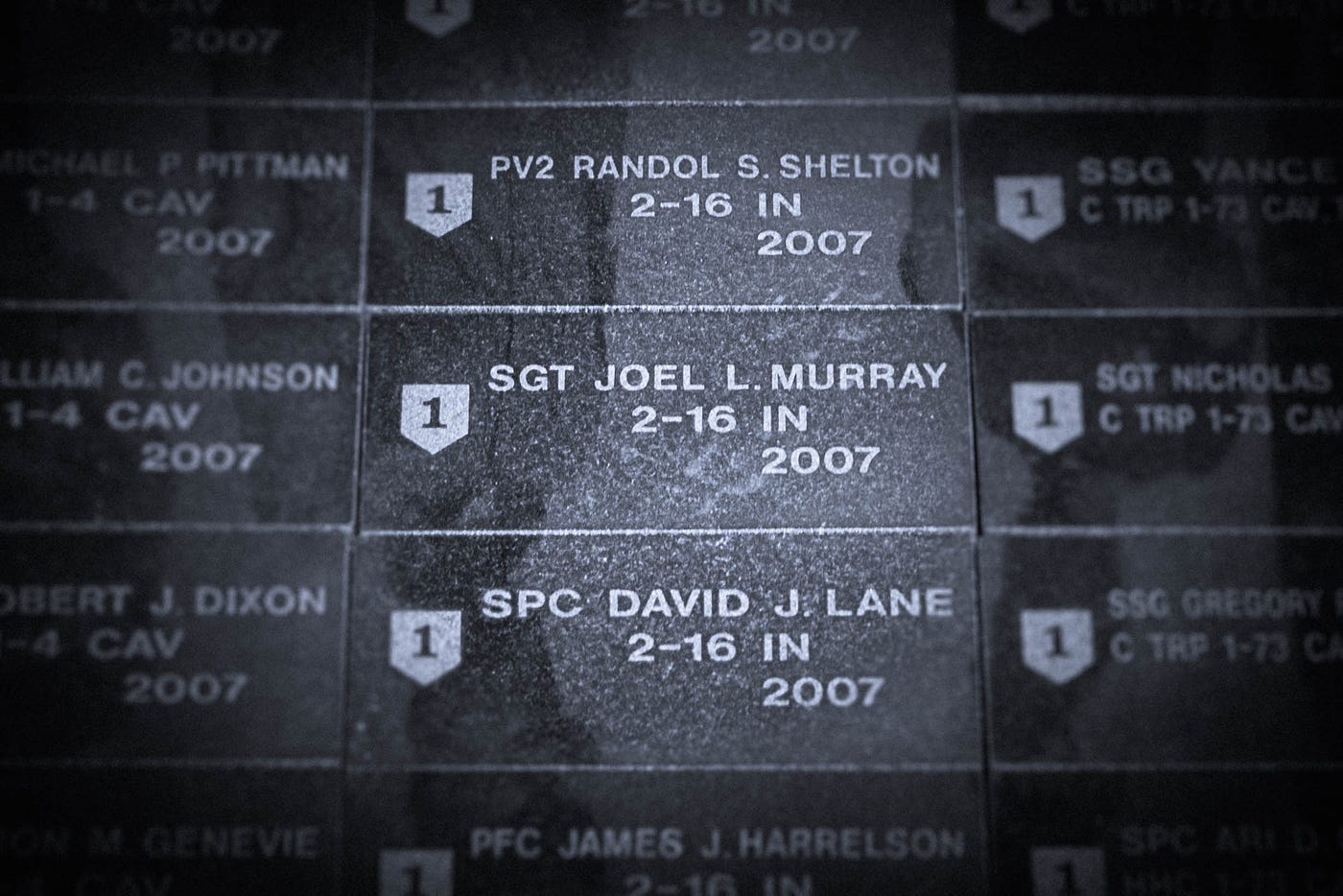

Photo by Tristan Ruark

A soldier dies in combat. “At Brigade level he is a social security number.. that is tracked. At Division level he is a story board. At Corps level he is a statistic…
But at “Company and Platoon level he is a gaping hole in the souls of a hundred men. To his Family, it is the end of the world. Jim Gourley 2010

Goodbye Cucarachas, Hello Cluj

No one was prepared for the exodus of millions of women and children out of Ukraine. Housing and hotels quickly filled up all over Europe. The neighboring countries, Poland, Romania, Hungary, and Moldova, took the brunt of the tidal waves of displaced people. Those countries moved pretty quickly to set up programs and housing for refugees.

Tanya had bounced through all of them looking for a place to land. They had made it all the way down to Spain. Two women, two kids, a dog, and four suitcases. Summer was right around the corner, and Tanya couldn’t find anyone who wanted to rent to Ukrainians. She was tired.

“Why don’t you just come to Romania? My friends told me they could find an apartment as soon as you get here?”

“Paula is afraid someone will kidnap Mira, she’s afraid of gypsies. My brother says there are better opportunities here for business. My dad says Romania is a dangerous country.”

Her excuses sounded a bit ridiculous to me after everything I’d seen and everyone I’d met in Romania. Though I understood them. My first time in Romania was in Constanta in 1998. Prostitutes working because a ship pulled in, legions of homeless children, mafia guys in tracksuits everywhere you looked. I’d carried that image for almost twenty years before Costel invited me back in. Romania had changed. I had seen it with my own eyes. But I couldn’t convey that to Tanya over the phone.

Odesits had their own reasons to be skeptical, layered deeper than stereotypes about gypsies and poverty. In 1941, Romania under Ion Antonescu joined the Nazi invasion of the Soviet Union and participated in the 73-day siege of Odesa. They occupied the city for two years. When a bomb killed several Romanian officers after the siege, the Romanians responded by massacring 30,000 Ukrainian Jews in reprisal.

Tanya’s father had served in the Soviet army in Romania and came home with one verdict — poor country, stay away. Paula was afraid someone would kidnap Mira. Tanya’s brother said Spain had better business opportunities. Everyone had a reason. Tanya’s grandfather was 14 years old during the siege. He fought as a partisan against the Germans and Romanians hiding in the Odesa catacombs. The only thing he ever told Tanya about the Romanian Nazis was that they weren’t so bad. It must’ve been pretty fucking bad before the Romanians came to say something like that.

After being in Spain for a few weeks, Tanya wasn’t able to get anyone to call her back about renting an apartment. She had met some other Ukrainians in Alicante who had long been established there. They told her that it might be difficult to find an apartment because Alicante was a seasonal town, and that peak rental time was coming in the summer. The people who owned apartments were worried that Ukrainians wouldn’t be able to pay or weren’t sure when the war would end, and that they would end up unable to rent their properties out at higher rates during the summer.

I missed Tanya, and I was tired of sleeping on couches. I figured that, as an American, I might be able to help her find an apartment, or at the very least get a call back. I still wasn’t sure what I would do. At the time, I was thinking of getting her settled, spending some time with her, and then heading to Ukraine to join the Legion.

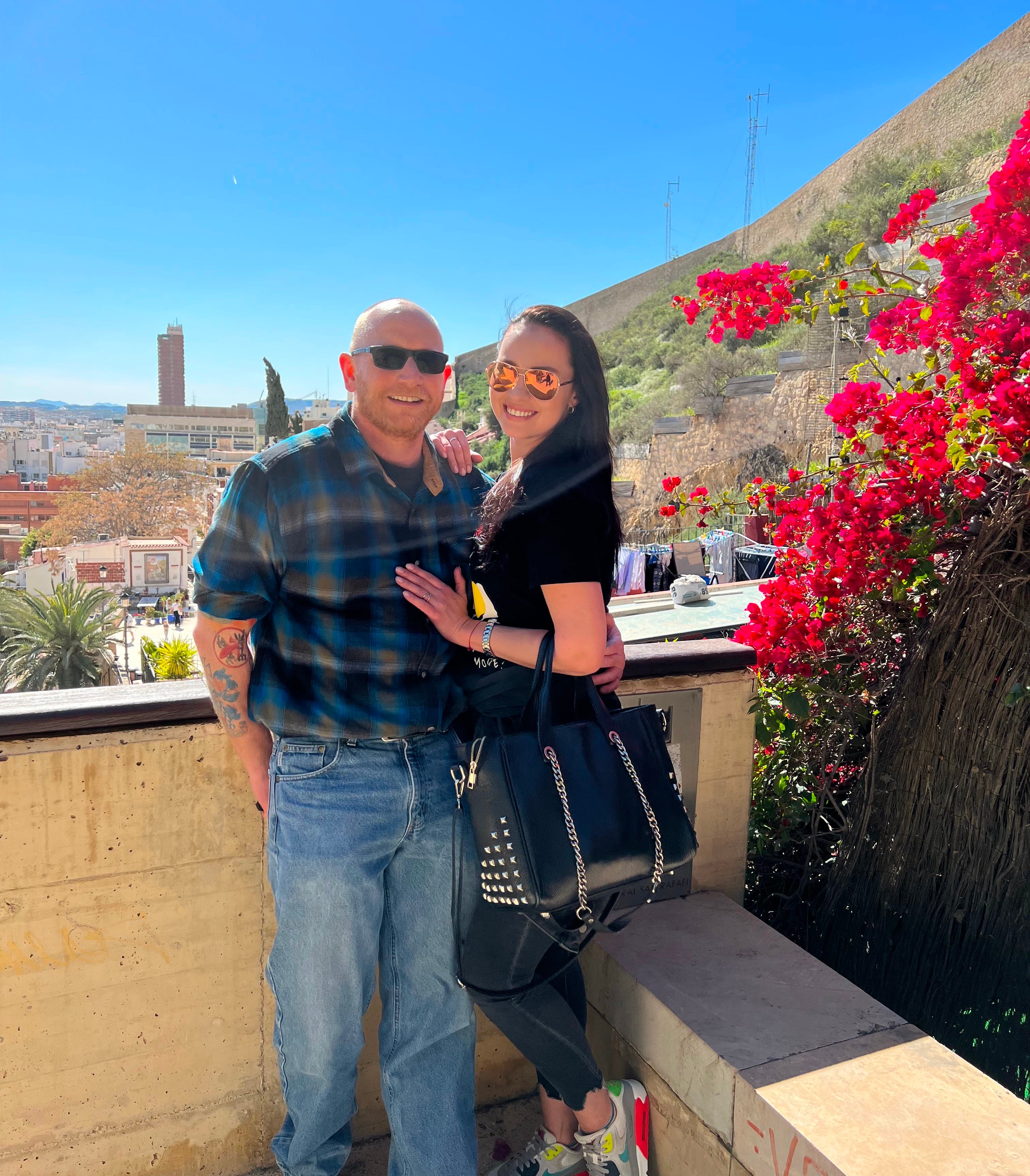
I loaded up my three changes of clothes and flew to Alicante for around $40 one way. Tanya picked me up, and I could tell that the ladies were a little tired of Spain, tired of moving. Her sister-in-law decided to go back to Germany because she knew some people there and had studied German at university. The icing on the cake was the Spanish cucaracha. These ladies weren’t accustomed to these prehistoric mammoths. We woke up the next morning and took Paula and Mira to the airport. We wished them farewell. After the airport, we decided to explore Alicante. The first stop was the Castell de Santa Barbara.

We spent the morning and the afternoon hiking and exploring to the top of Castell de Santa Barbara. We stopped and listened in on different tourist groups hovering over spots of interest in the fortress. We stopped at a rampart overlooking the sea. She had made her way to the top while I was still coming through the entrance. I looked up to see her black hair caressed by the sea breeze. It was her in this moment, taking in the beauty of Spain, and me taking in the beauty of that reflection. I scrambled up to her and looked out at the blue of the Mediterranean. I kissed her on top of the tower built on the Calo Del Maro, the Moor’s face. Named after a powerful Moorish ruler who forced his daughter to marry a wealthy suitor instead of her true love, Ali. Ali, heartbroken, jumped from the top of the castle to his death. The Moor’s daughter Cantara followed the fate of her beloved Ali. Her father, devastated by the loss of his daughter, threw himself from the mountain, his face becoming petrified in the rock.


Alicante is said to come from “Ali + Cantara” in honor of the tragic lovers. Now here we were coming together in a place where these lovers had been torn apart. We walked down to the narrow streets of the ancient barrio and had dinner. She caught me up on her adventures, and she told me about the problems she was having trying to rent an apartment. I told her about Romania. About the mountains and the kind people that I had met.

Spain was beginning to grow on me. I thought maybe if we don’t live Alicante, we can go somewhere else in Spain, maybe Rota, where I had spent some time in the 90s. The weather was perfect and I was starting to become a siesta sort of guy. The sun went down, and we sat at the table drinking wine. It was an evening that I didn’t want to end. The next day, we had to face reality, but I wanted to keep living in that moment as long as I could.

I spent the next day calling number after number, trying to at least get a showing of an apartment. Finally, after about 20 numbers, I found someone to agree to a showing. The apartment was in Tanya’s price range and seemed to be in a nice neighborhood. We drove to the neighborhood early to scout around. The neighborhood seemed pretty cool with some nice cafes not too far away.

Tanya was not impressed with the apartment. She doesn’t like bugs, and now looking back, I’m surprised she didn’t go on full attack mode when she saw the cucarachas in the apartment. She went deadly silent on the ride back to the hotel.

“You can get apartment in Romania?” “Yes. Like I can call now and-” “Ok. Lets leave tomorrow.”

Early in the morning, we packed out and loaded up in the car and headed out on our journey through Europe. Except we couldn’t get out of the city. There was a big bicycle race underway, and every road out of the city was closed off. We drove around in circles for three hours before we finally managed to escape.

We drove up the seaside and through desert hills. The drive reminded me of a mix of the Pacific Coast Highway and driving over the Sierra Nevada mountains, headed towards Vegas from California. We drove past old fortresses and rows and rows of orange orchards. Tanya wanted me to stop several times so she could go steal fresh oranges.

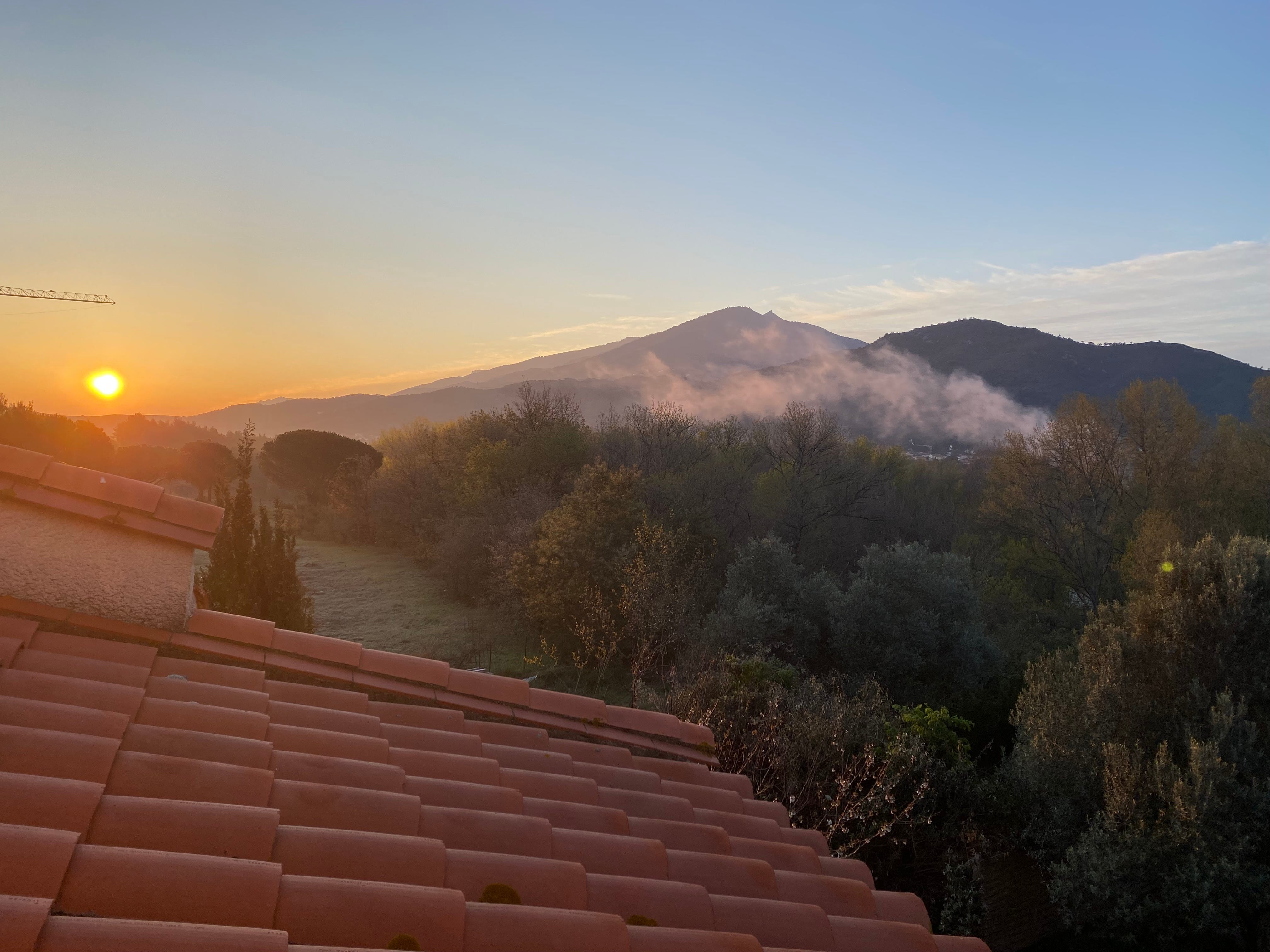
Having left Alicante later than we wanted, we made it to a little town at the foot of the French Alps as it was getting dark. We got in just in time for dinner at the restaurant and to sample some of the local wine. It ended up being so damn good we took a few bottles to the room and sat on the balcony to enjoy the color change on the Alps before they disappeared into the dark.


The French Alps as seen from our balcony.

I spent the next few days driving across Europe with the woman I never thought I would ever see in real life, and after I did, I didn’t think I would ever see her again. There she was, sitting next to me, crossing the border from Spain to France and up over the French Alps and through the Black Forest into Germany. The same route that countless European powers had marched troops through over the last 2000 years for either conquest or retreat.

We stopped in Frankfurt to drop off the dog. We met Paula at the train station, gave her the dog, and then walked to the car and drove down to the U.S. airbase in Ramstein. We wanted to do some grocery shopping before getting to Cluj. Tanya was blown away by the never ending rows of canned goods. “Don’t you Americans have anything fresh?” “Ya, but that’s for rich people.”Sadly, to shop there, I needed a tax stamp, which I had arrived too late to get. The next day, we pushed as far as we could, ending up somewhere in rural Hungary.

We didn’t stop to see sights; we only stopped for gas. The countryside of all these countries reminded me of the U.S. in one way or another. We drove past places that time had forgotten, where people still fetched water from wells and used horse and buggy to transport people and equipment.

Finally, after three days of driving, we cruised into Cluj. We were able to find an apartment and move in on the same day. We didn’t have much. She and her son had two suitcases, I had my Kelty backpack and three changes of clothes. With one trip from the car to the apartment, we were moved into our new place.

We walked over to the grocery store across the way together. It was kind of like a super Walmart. They sold appliances, so we picked up a coffee maker. She picked out everything she needed to make dinner and breakfast for the next morning. We took everything back home, and while she cooked, I ran back across the street to get towels and laundry detergent.

We sat down to a meal of borscht, bread, salo, green onions, and mustard. I did the dishes, and her son got ready for bed. After he went to bed and everything was clean, we poured our wine, sat down on the couch, and watched Cloud Atlas before settling into bed. Me, an expat, and her, a displaced person.

This is the 6th part of an ongoing series. If you missed the first installment, start with A Rolling Stoner Gathers No Moss.

Tuesday, September 01, 2026

Romania Aren't You an Orange

 I was on high alert when I stepped off the train into Cluj. I walked through the streets with my head on swivel, keeping my eyes open for the Adidas tracksuit mafiosos that I remembered from my first trip to Romania. I hailed a cab and showed him the address to my hostel. I followed our route on Google Maps to make sure he wasn’t going to take me to a dark corner to beat and rob me.


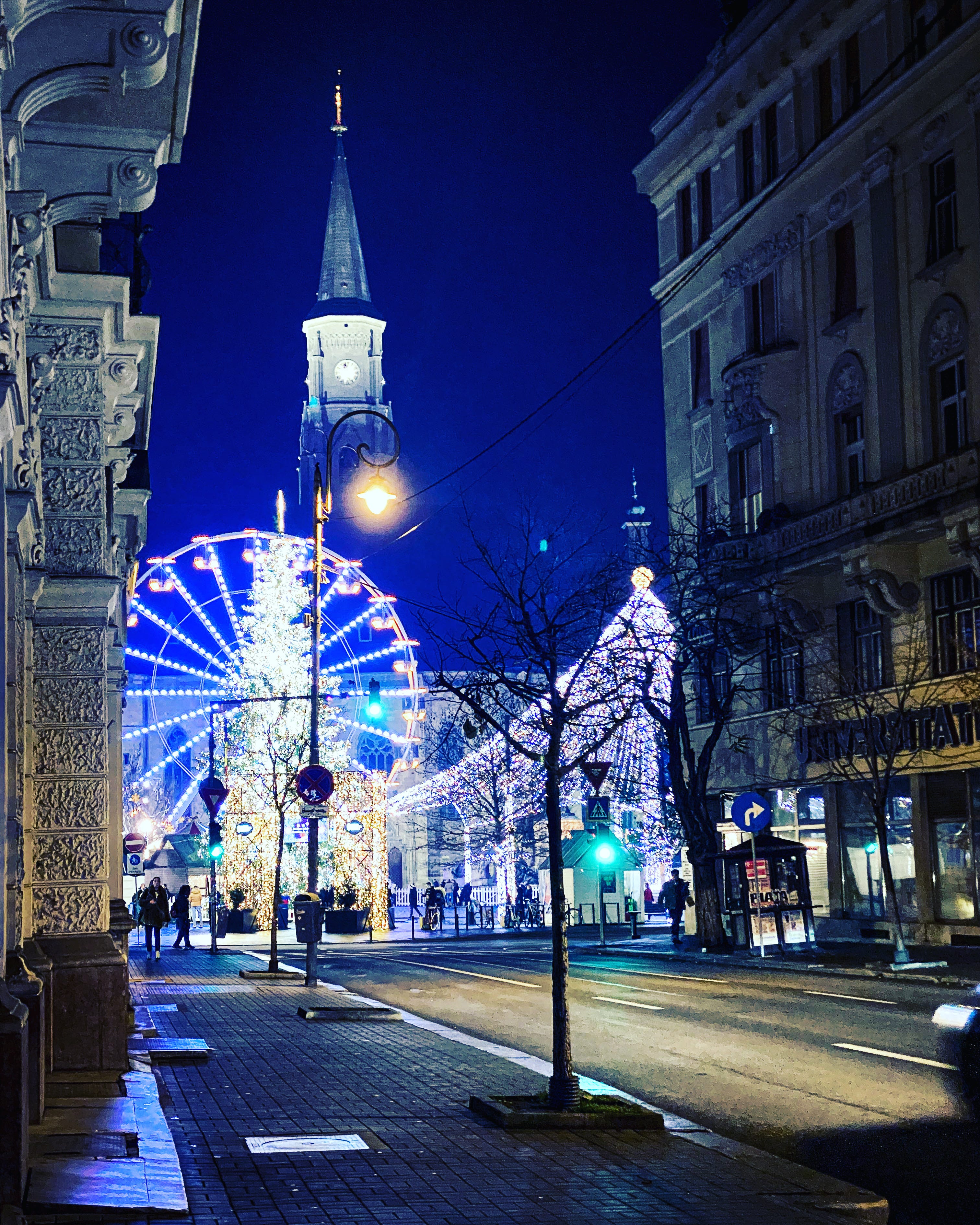
Christmas Market in Cluj

Looking back now, I feel so stupid and can’t believe I was so on edge. I didn’t know much about Romania other than what I experienced during my visit to Constanta in 1998 with the 22nd Marine Expeditionary Unit. I remember it being cheap; very cheap. Pulling out the currency from an ATM was interesting because the exchange rate was crazy, like in the millions. Constanta also had the first McDonald’s I went to, where I ordered a Royal with Cheese and a beer. The whole meal cost me a cool couple million Ron. I remember the police carrying AK-47s, the crazy number of homeless children, and the Adidas tracksuit mafioso guys. I had a lot of fun in Romania in 1998, but I regarded it as a run-down Eastern European country. Now I can confidently say that Cluj is the safest city I have ever been to in all my travels.

“Where you from?”

The question caught me off guard. I didn’t think for a minute the guy was going to speak English. I was still hesitant to give him any information. He gave me an impromptu history lesson about the area that we were in before he dropped me off at the $12-a-night hostel. It was a nice place, the staff spoke English, and took me to my closet-sized room after showing me where the community showers were.

I freshened up and stepped back into the mean streets of Cluj. Costel was still on the border and had arranged for me to meet with a friend of his, an Israeli expat living in Romania. He recommended we meet at Che Guevara’s near the city center. Saf is a cool dude. He had served in the Israeli Defense Force as a tanker. Studied finance at university and then parted ways with his family in Israel because of some family issues. He traveled to find himself, studied Yoga, and danced. He called Cluj the Silicon Valley of Europe, and that’s why he had decided to come to Cluj to open a tech business. I didn’t know it then, but Saf would end up being a very genuine friend to me in Cluj, and someone I still talk to today.

We finished up our drinks, and he refused to let me pay. We parted ways, and I headed back towards the Hostel, with a little liquid confidence to carry me through the night. I slowed down to take in Cluj. Instead of looking into dark corners, I looked up at the architecture and noticed Romanian flags on almost every lamppost. The city was clean, I hadn’t noticed how clean it was on my walk to the center.

As I neared the hostel, I was drawn to the sounds of huge speakers filling a closed space with loud music. I wandered into a local rock bar. I had no idea how to speak Romanian, so I ordered in English, and there was no communication barrier between the bartender and me. I got my beer and walked through the club. It was packed. There was nothing suspicious about it, there were no armed police with AKs, just people singing to American rock like Nirvana and Metallica. They knew every word, and they sang in groups with their arms on each other’s shoulders.

On my second trip up to the bar to order a beer, a guy asked me if I was American. We hit it off, and he invited me to drink with his friends. He told me that the COVID restrictions had been lifted, and it was the first night bars and restaurants could open their doors to the public. So everybody in Cluj was out to celebrate. The people had been craving human contact, there was no animosity to be seen anywhere. Almost every young person I talked with spoke English and was excited to speak English with me. We talked about everything from music to politics.

The question eventually got brought up about what I was doing in Romania. I told them I was there to help my buddy with humanitarian work for Ukrainian refugees at the border. Fuck Putin somebody yelled. The whole bar erupted in Fuck Putin. Some of my new friends expressed concern that if Ukraine fell, Romania would be next. They expressed genuine concern for the refugees. “I see these kids and their moms on T.V. having to flee their homes- It’s fucked.” As if on cue, the song Zombie started to play. We hung our arms over each other’s shoulders as we belted out the lyrics as loud as we could. We started jumping and moving around the room. I opened my eyes to see tears streaming down some of their faces. The song ended, and a spiritual silence filled the bar.

The emotion and compassion I witnessed in that younger generation at the bar made more sense to me later, after hanging out with some Romanians my age. Guys who had grown up in the hard 90s. The guys who had stood with their mothers in breadlines and whose parents had lived in fear under Ceaușescu.

Sitting in the kitchen of one of my Romanian friends in an old building from “communist times,” he told the story about the first time he ever ate an orange. His father, after working all day, came home with one orange, which he split with his wife and his three children. My friend asked his father why he wasn’t having any of the orange. His father told them that he had eaten one at work. Then, after the kids were supposed to be in bed, my friend got up to pee and peered into the kitchen. He saw his dad drinking the orange juice off the plate, scooping up the tiny pieces and the white of the peel that were left over, and eating them.

The other story I was told was similar, but instead of an orange, it was dinner. My friend’s father would get home late from work, and when the family ate, he would tell them he had something to eat at work. Then he would wait until he thought the kids were asleep and eat the crumbs off their plates. Romanians, at least the ones I’ve met and who are in my life, take care of others before they take care of themselves.


No matter where you go, someone has homemade hooch.

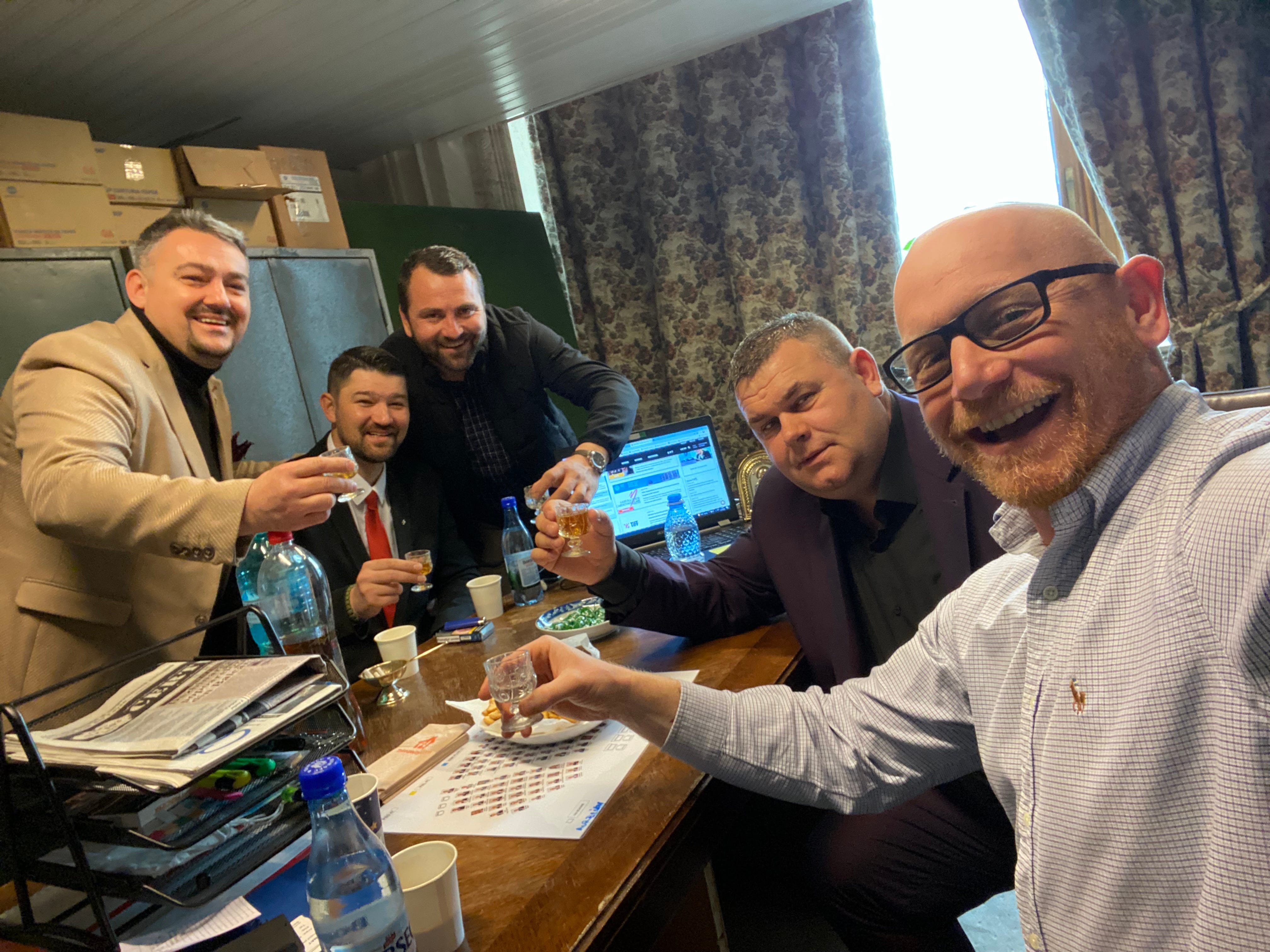
A word of advice: when they meet you for the first time, they will ask you to try Suica or Polinka, the national drink of Romania. Be careful because that fire water is strong. The only time I don’t believe a Romanian is when they tell me we are just going to have one drink…

This is the 5th part of an ongoing series. If you missed the first installment, start with A Rolling Stoner Gathers No Moss.

Thursday, July 30, 2026

The ROmerican

 Time loses itself in the countryside, and so did I.

On the train from Budapest to Cluj I had nine hours to think about leaving the last forty years of my life behind with nothing but a backpack and three changes of clothes. We passed prairies and villages that time had forgotten about. I had grown up in the Pacific Northwest, my ancestors had arrived by boat to the free world and eventually trekked west through the plains and the mountains to find a new life. Here I was headed in the opposite direction through prairies and villages that time forgot searching for mine.


“You guys got any 40 mike mike?”

That is how I met Costel. We had just shot our way down a 5km stretch of road in Eastern Baghdad laden with IEDs to get to the DAK hall where his platoon had been pinned down for a few days. We had gone in to extract a humvee that had been shredded by an explosively formed penetrator and the bodies of two young men that had been killed in the blast, Durrell Bennett and Patrick Miller.

We pulled into the compound and he walked up to my window and asked me if I had any extra grenades. We gave him what we could spare and went back to engaging with the Mahdi militia. I didn’t know him very well at the time, but some guys from my old squad had told me who he was later when I was in Poland trying to figure out where to proceed after losing contact with our guy in Lviv. Someone gave me Costel’s number and I called him, he told me about what he was doing at the border and invited me to come work with him.

When I pulled into Cluj-Napoca, Costel was still at the border and couldn’t pick me up from the train station so he sent one of his friends to meet me later for beers and introduce me to Cluj. Costel is what we call a ROmerican. Born Romanian, and later moved to the U.S. at a young age. He joined the United States Army and risked his life for his flag and his brothers deploying to Iraq in support of the War on Terror. 

He had grown up in Romania during a turbulent time in its history. He remembered what it was like to stand in a bread line, he knew these people needed help and it was his turn to pay back the kindness showed to him by Europe after Ceaucescu was removed. After one drop off we stayed to play with the kids for a few minutes. As we drove away Costel went quiet. I saw a tear on his cheek. “What’s up?” “These little kids, so excited for someone’s hand me downs. They remind me of growing up in the communist times.”

Costel came into town a few days later from the border and needed to unwind a bit. He took me to a CFR soccer match where we sat in a VIP booth and I got to enjoy some Romanian football. We spent the next few days going to different sites with two SUVs people had been kind enough to loan out and two young college kids he was mentoring. Our donations came from different people he knew and a few locally owned businesses.

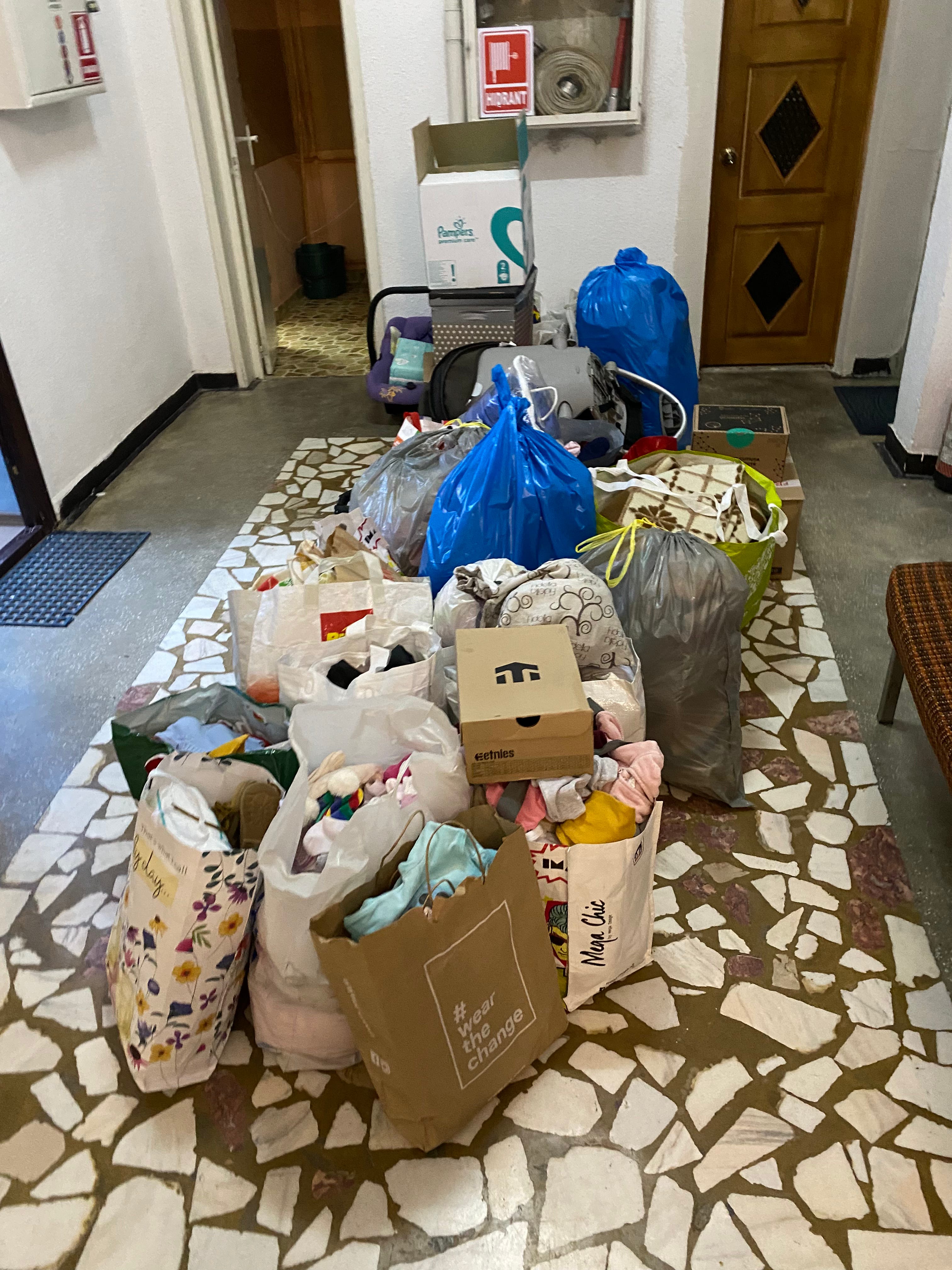
It was heartwarming to see these people doing what they could to help the Ukrainians coming over the border. They donated clothes, food, diapers and blankets. It didn’t take long until the cars were stuffed to the gills with donations. We were even able to collect sim cards from Orange, a mobile company in Romania.

The next day we headed north into the mountains. From Cluj to the Ukrainian border near Siret is about seven hours of driving on a good day. Here we were crossing the Carpathian mountains which had just got slapped with snow. There are no roads bigger than two lanes that cross those mountains. The only thing tighter than the hairpin turns up this mountain was my asshole as we maneuvered up the steep passes, blind turns and grades that brought tractor trailers within a cunt hair of ending our little mission before we could get into Dracula’s backyard. I was white knuckling and sweating my first trip, and every trip over the mountains after that.


At some point you have to go over em...

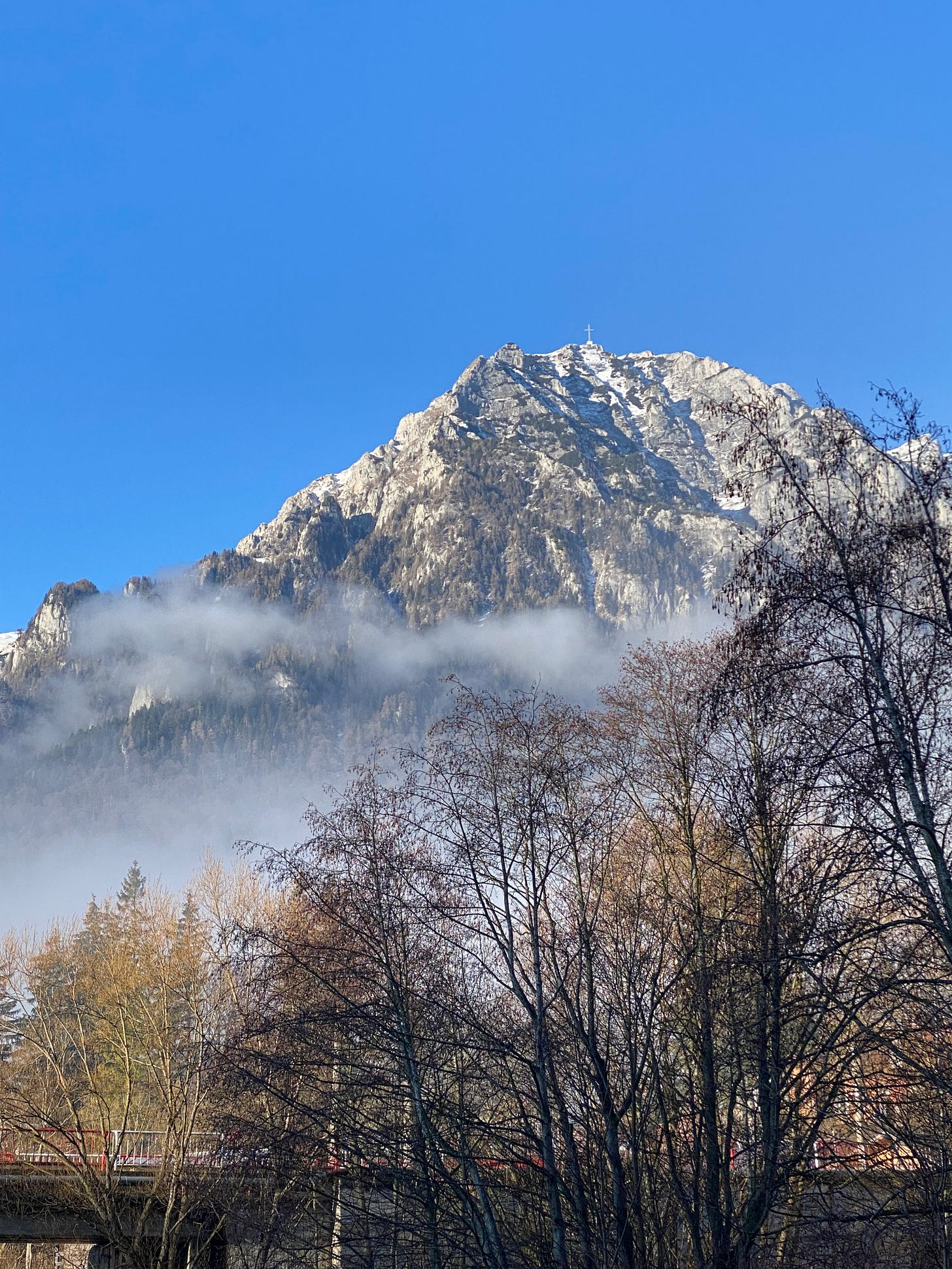
Driving into and over the Carpathian mountains is what I imagine crossing over into Valhalla will look like. I had grown up in the Pacific Northwest, lived within a 35mm panoramic view of the Hindu Kush and later lived for a few years surrounded by the Rockies. The Carpats were like elegant mature ladies that kept their form and shape over centuries. We passed through old mountain towns and monasteries and on one trip stopped at Vlad the Impaler’s castle near Brasov. Although I squeezed finger imprints into the steering wheel, the raw beauty of the place calmed my heart. Driving through this masterpiece of the cosmos it was hard to believe that just on the other side there were women and children living in warming tents with nothing but what they could carry.

First we stopped at a collection point in Botosani. It was run by a Romanian Veteran Program. We emptied our SUVs out into a small room in the building where there were other donated goods. What I had initially thought was a pretty big haul turned out to be a little pitiful when we organized it in the room. The Romanian vets coordinated with the border crossings in the north. There were a few NGOs out there but none of them really communicated. After some telephone tag we gathered the supplies that one of the checkpoints was asking for in one of the cars, and in the other car we loaded up supplies that a separate temporary refugee camp was asking for and rolled out.


All we could pack into two small SUVS. It seemed like a lot at the time. 

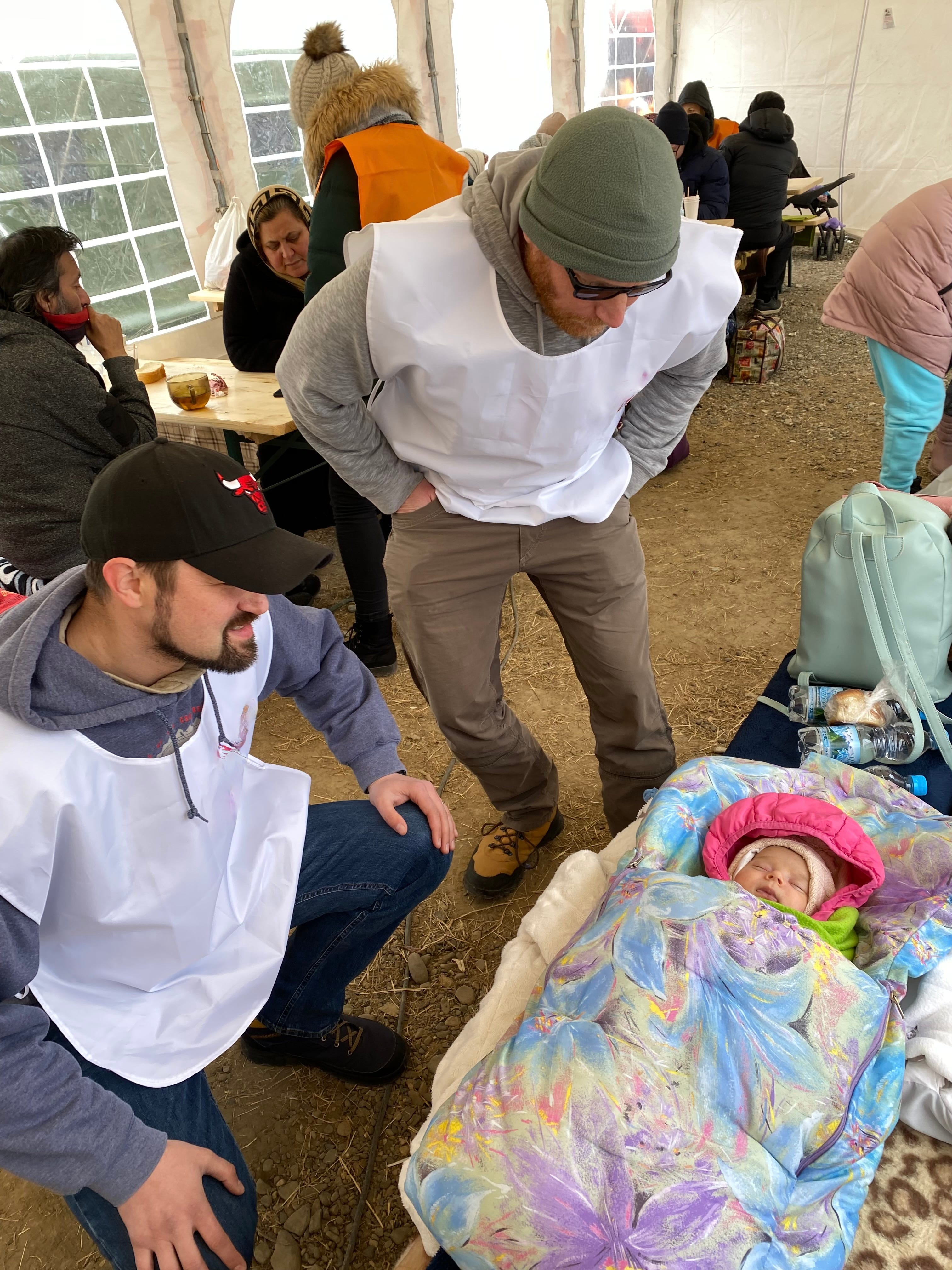
The scene at the Romanian border crossing near Siret was heartbreaking. Women and children bundled up in these warming tents. The first border crossing we visited had a three week old baby bundled up in a tiny bassinet while the families waited for transportation and a place to stay in a larger city.


The border crossings had almost a month to set up a good working system, there were plenty of organizations there, and the outflow of Ukrainians into Romania had slowed, but it was still a humanitarian crisis. It honestly didn’t look much different than the situation I had experienced in Poland. We had spent a few days collecting donations, and driven eight hours over the mountains and what we had to offer was nowhere near what was needed.

We went back into town and went out of pocket for other things that the volunteers needed. More diapers, milk, bread, gas, baby food, pet food. The list was long. I started up a GoFundMe to offset the cost of gas, lodging and food for us, and to be able to purchase anything else the borders or the refugee camps needed. Thankfully my family and friends rose to the occasion and we raised around $5,000.

As a young Romanian in America, Costel was blessed to have some wonderful people in his life. Years later, these bonds would lead to a huge breakthrough in our efforts. Costel was working with a former mentor who worked in the Salvation Army in the U.S. On our long drives across Romania, we would talk about how amazing it would be if we could get the Salvation Army to help. We kept our expectations low, being pessimistic whenever the word Army was thrown around. Finally, his contact said that a truck was coming from Austria loaded with goods for our little operation. We both imagined a little Ryder truck or a U-Haul packed with what we had already collected. We would’ve been grateful, at any rate, just for the help.

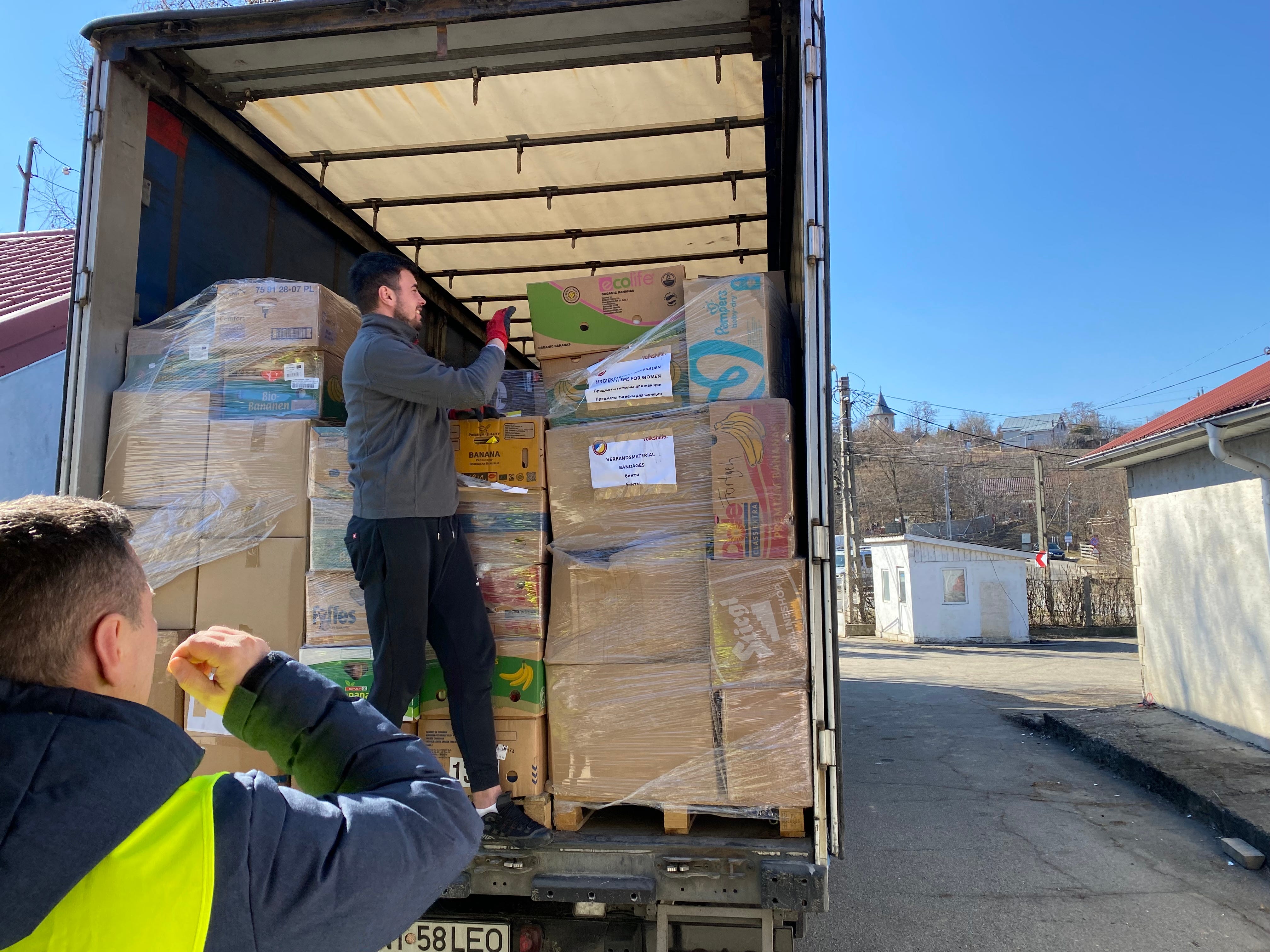
The day finally came when this truck from Austria was on its way. It was no Ryder truck. It was an 18-wheeler full-sized shipping truck. Even when we saw this truck with our own eyes backing into the bigger building the Romanian military guys procured, we both imagined it was probably only packed a quarter of the way full. Finally, the truck backed up to the loading area of our new supply point, because the supply closet at which we were operating out of before wasn’t going to cut it. The driver came back and opened the doors for us. The truck was packed from front to rear with coats, blankets, fuel, food, shoes, and everything that the checkpoints and refugee centers had asked for. We were blown away. We filled that whole building with the contents of that truck. Costel called and thanked his contact, and his contact responded with, “We have another truck on the way.” Not only were we able to provide much needed supplies to all of our checkpoints and refugee centers, we had enough to help out the orphanages in the northern area of Romania.


Now this was a lot of stuff.

We loaded up our little SUV from the new supply point and went out to all of our checkpoints and refugee centers with the news of what we had on hand. We eventually handed off our little operation to the retired Romanian military guys. This allowed us to work with refugee centers and refugee families that we met on a more personal level.

Through this experience what impressed me the most was the heart of the people that I came in contact with. Romanians are great people. They emerged from a dictatorship and communism in the late eighties. A lot of the guys I worked with had been kids during those times and remembered what it was like to have nothing. Some of the young men that I worked with during our border mission had grandparents that remembered when Russia occupied Romania during World War II. They had first-hand experiences of the brutality of the Russians.

Costel had started his little operation at the beginning of the war. He had seen some things at the borders that broke his heart. He and his little band of Romanians crossed the Carpats over a dozen times. From small heartfelt donations to landing the Salvation Army as a sponsor, I was quickly falling in love with Romania, the culture, the wild beauty. It was the people that captured my heart. Some people with very little giving what they could. Others loaning out their vehicles and taking the bus to work while we drove their cars over the mountains back and forth for weeks. The volunteer workers that cooked from their own kitchens and took turns staying in the cold to welcome in and feed the weary. My whole experience in Romania had been with acts of kindness and compassion from these people. 

Romania reminded me of the valley at the confluence of the Snake and Clearwater rivers where I had grown up. Everywhere I went I was greeted with Romanian kindness and a shot of Polinka. Costel suggested that I stay in Cluj. He would help me find a place and get situated with a temporary stay permit. I still wasn’t sure where I was going or what I was going to do. I’d been sleeping in spare rooms since I arrived i Europe. I figured it would be a good place to lay low for a while, save some money and eventually join the Ukrainian Foreign Legion.


This is the 4th part of an ongoing series. If you missed the first installment, start with A Rolling Stoner Gathers No Moss.